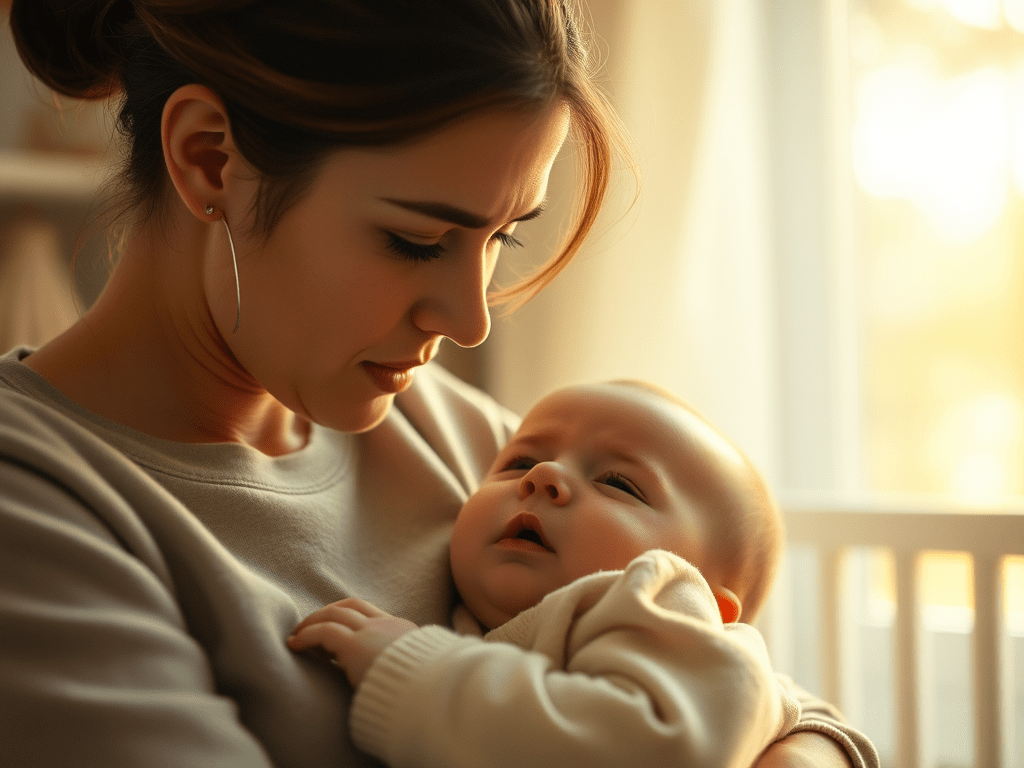
Huilen is een natuurlijke manier voor baby’s en peuters om hun emoties en behoeften te uiten. Voor ouders kan het soms moeilijk zijn om te weten wanneer ze in de “troostmodus” moeten schieten en wanneer het beter is om hun kind even te laten huilen. Huilen is niet altijd een negatief signaal; het kan ook een manier zijn voor kinderen om spanningen los te laten of hun emoties te verwerken. Hier zijn enkele inzichten over waarom huilen belangrijk is, wanneer te troosten, en wanneer het soms beter is om je kind even ruimte te geven.
Waarom Huilen Belangrijk Is
Huilen is voor jonge kinderen een van de eerste manieren om te communiceren en hun emoties te reguleren. Baby’s en peuters hebben nog niet de woorden of vaardigheden om hun gevoelens te uiten zoals volwassenen dat doen. Door te huilen:
- Reguleren ze emoties: Het helpt bij het loslaten van spanning en emotionele druk, wat ze anders niet kwijt kunnen.
- Zoeken ze aandacht en veiligheid: Vooral bij baby’s kan huilen een teken zijn dat ze nabijheid en geruststelling nodig hebben.
- Ontwikkelen ze zelfregulatie: Sommige kinderen kunnen zichzelf in slaap huilen als een manier om te kalmeren. Dit kan een vroege vorm zijn van het leren omgaan met frustraties.
Wanneer Te Troosten
Troosten is belangrijk wanneer je merkt dat je kind echt behoefte heeft aan nabijheid en geruststelling. Situaties waarbij troosten nodig kan zijn, zijn:
- Lichamelijke behoeften: Als je baby huilt omdat hij honger heeft, een schone luier nodig heeft, of moe is.
- Intense angst of onzekerheid: Vooral bij peuters kan onbekendheid of een gevoel van onveiligheid huilen opwekken. In deze gevallen is het belangrijk om nabijheid en geruststelling te bieden.
- Overprikkeling: Als een kind overprikkeld is, kan het huilen een manier zijn om dit te verwerken. Hier kan je als ouder het beste even rustig de tijd nemen om je kind te troosten en te kalmeren.
In deze situaties is het troosten van je kind niet alleen een geruststelling, maar ook een belangrijke bevestiging van hun gevoelens en behoeften. Het leert kinderen dat ze op jou kunnen rekenen als het moeilijk is, wat belangrijk is voor de hechting en emotionele ontwikkeling.
Wanneer Je Je Kind Even Ruimte Kunt Geven
Niet elk huiltje vraagt om directe troost. Soms is huilen ook een manier om zichzelf te kalmeren of spanningen los te laten. Dit zijn situaties waarin het soms beter kan zijn om even af te wachten:
- Moeheid of slaapje voorbereiden: Sommige kinderen hebben moeite met in slaap vallen en huilen even voordat ze wegzakken. Het is een manier voor hen om los te laten en tot rust te komen.
- Frustraties verwerken: Vooral peuters kunnen soms gefrustreerd raken als iets niet lukt of als ze hun zin niet krijgen. Een kort moment van huilen kan hen helpen deze frustraties te verwerken. Als ouder kun je aangeven dat je er bent, maar geef je kind ook even de ruimte om zelf tot rust te komen.
- Oefenen met zelfregulatie: Vanaf een bepaalde leeftijd is het goed om kinderen te helpen hun emoties zelf te leren reguleren. Door hen soms even ruimte te geven, leren ze zelf manieren te ontwikkelen om te kalmeren.
Het Waarom: Waarom Soms Wachten Helpt
Door kinderen soms even ruimte te geven om te huilen, help je hen vaardigheden op te bouwen die nodig zijn voor emotionele groei. Ze leren dat niet elk ongemak of frustratie onmiddellijk opgelost hoeft te worden. Kinderen krijgen zo de kans om zichzelf te kalmeren en op termijn om te gaan met hun emoties, zonder altijd externe geruststelling nodig te hebben. Dit betekent niet dat je je kind volledig moet negeren, maar dat je hen de kans geeft om zelf een stap te zetten in hun ontwikkeling.
Conclusie
Huilen is een gezonde, natuurlijke manier voor kinderen om emoties te uiten en soms zelfs te reguleren. Als ouder is het belangrijk om te leren onderscheiden wanneer je troost nodig is en wanneer het juist goed is om even af te wachten. Het doel is niet om je kind zich te laten “uit huilen” zonder steun, maar om hen te helpen omgaan met hun emoties op een manier die hen op de lange termijn veerkrachtiger maakt. Zo creëer je een balans tussen nabijheid en zelfstandigheid in hun emotionele ontwikkeling.
Understanding Why Babies and Toddlers Cry: When to Soothe and When to Give Space
Crying is a natural form of expression for babies and toddlers who don’t yet have the language to share what they’re feeling. For young children, crying communicates everything from hunger to frustration to tiredness. While it’s often a parent’s first instinct to jump into “soothing mode,” there are times when stepping back can actually help children process their emotions more effectively. Here’s an overview of why babies and toddlers cry, when it’s helpful to comfort them, and when it might be best to let them express themselves on their own.
Why Babies and Toddlers Cry
Crying is one of the earliest and most effective ways that babies and toddlers can communicate their needs. Some of the main reasons they cry include:
- Physical Needs: Hunger, discomfort, or exhaustion are often reasons for tears, particularly in babies who have limited ways to signal these needs.
- Emotional Expression: Young children cry as an outlet for frustration, sadness, or overstimulation, especially as they start to feel more complex emotions but lack words to express them.
- Self-Regulation Challenges: For toddlers, especially, crying can be a response to the stress of learning to self-regulate. Big feelings may overwhelm them and lead to tears.
When to Soothe Your Child
- Meeting Basic Needs: Babies rely on their caregivers to fulfill their needs, and responding promptly to cries of hunger or discomfort reassures them that their needs will be met.
- Emotional Comfort: If a child is scared, hurt, or overly distressed, physical comfort from a caregiver can help them feel secure and valued. Holding or talking softly to them communicates that they are safe and loved.
- Providing Security: Consistently responding to a young child’s cries in times of genuine distress builds trust, letting them know that they are understood and cared for.
When to Give Space
- Self-Soothing and Emotional Growth: At times, stepping back allows babies and toddlers to begin learning to calm themselves. Brief periods where a child is encouraged to self-soothe can promote independence in emotional regulation.
- Frustration Tolerance: Toddlers may cry as they learn new tasks or face small challenges. Allowing them a moment to work through their frustration before jumping in can foster resilience and a sense of achievement.
- Settling for Sleep: Some babies and toddlers cry when they are trying to fall asleep, a natural part of transitioning from wakefulness to sleep. In these cases, giving them a few minutes to settle can help them learn to fall asleep on their own.
Why Knowing When to Step Back Matters
Giving children the opportunity to express and even tolerate mild frustration supports their emotional development. It helps them learn that difficult emotions are a normal part of life and that they can be managed. When parents immediately intervene with comfort, they may unintentionally signal that these emotions are too big or unbearable, which can increase a child’s reliance on external comfort.
Finding the Balance
Parenting requires attunement and balance. Learning when to offer a hug and when to step back allows your child to grow emotionally while knowing that they are supported. By responding thoughtfully, you can help them develop resilience, independence, and a healthy emotional foundation.
This approach is rooted in the understanding that crying is a fundamental part of development. When caregivers respond with awareness of their child’s needs, they foster both a sense of security and a child’s capacity to handle life’s ups and downs independently.






 Gebruiksaanwijzing Kinderen
Plaats een reactie